
How to Conquer the 20-Mile Run Like a Champion

The 20-mile run is a challenge that requires much mental and physical preparation.
As someone who has completed 12 marathons, I can attest to the rewards of tackling this daunting task with grit and determination. While 20-mile runs are no easy feat, they provide essential training for those looking to succeed in races on race day.
Here we’ll talk about running 20 miles within your training cycle, what you can expect from the distance and your body, and answer some of the more frequently asked questions about this running distance.
How to Prepare for a 20-Mile Run
A runner is always expected to gradually build up to their 20-mile long run during marathon training by increasing the weekly mileage. If you haven’t done this, you should seriously reconsider.
You’ll want to be physically and mentally prepared to tackle the distance.
The following are some ways you can best prepare for the distance:
1. Acquire the proper running gear
Investing in a quality pair of running shoes, comfortable clothing, a hydration pack, and any other accessories that come in handy is the best way to prepare for any run training.
2. Follow a proper training plan
Abide by a training program that gradually builds up the mileage to avoid injury. Those who try to muscle through a 20-mile run without prior training risk becoming injured and ending their running season early.
If you have a running coach offering running tips to prepare you for your weekly long runs, listen closely to what they say.
3. Increase your aerobic capacity
Utilizing additional race training sessions in your routine, such as running intervals and repeats, is a great way to increase aerobic capacity. Although these quick-paced workouts are different than a 20-mile run, they help to build a well-rounded runner.

4. Strengthen stabilizing muscles
Cross-training workouts are an excellent way to include strength training exercises in your training. Building a solid core will help you sustain your strength and maintain proper running form when you fatigue during your 20-mile long run.
5. Fuel your body
Focus on a balanced diet of nutritious foods and adequate hydration before and during the run. A well-nourished body performs better during long runs.
6. Give your body plenty of rest and recovery
Rest and recovery are essential parts of a quality training plan. This is why recovery days are built into training programs. Be sure to get adequate rest, especially in the days leading up to and following your 20-mile run.
7. Incorporate mental training techniques
You’ll need great mental strength if you want to remain motivated throughout the entire 20 miles. Utilizing techniques such as visualization can help put your mind over matter.
8. Practice running on hilly terrain as well as flat
Consider adapting your running terrain if you’re preparing for a specific race. For instance, I trained for the Chicago Marathon in Nashville, Tennessee. Nashville is full of hills, whereas Chicago is entirely flat.
9. Adapt your run
If running 20 miles in one go is turning out to be too overwhelming right now, consider breaking the run into two 10-mile runs instead.
By running twice in a single day, you’ll allow your body to experience the distance needed for training without the overwhelm by the total length.
After the race, my legs were sore in places I wasn’t expecting. This is due to the repetitive use of muscles because my legs didn’t have to adjust for the incline.
How Hard is it to Run 20 Miles?
The honest truth is that for many runners, 20 miles is a big undertaking and requires dedication, resilience, and commitment.
Twenty miles is no joke – completing this distance takes a reasonable amount of time and effort. You can expect to run for several hours, and your body will feel the strain. This is why you want to increase your mileage per week slowly.
That being said, 20-mile runs are incredibly satisfying when you complete them!
It’s a great way to build endurance and prepare for race day. You’ll also gain confidence in yourself (and rightfully so, might I add). With the proper preparation and mindset, 20-mile runs can be easily conquered.
Whether training for a marathon or simply looking to challenge yourself, 20-mile runs will help you test your mental and physical limits.
Recovery After a 20-Mile Run
After running 20 miles, it’s vital to take the time to recover properly. This includes:
✅ Stretch your muscles.
Reducing the tightness and soreness in your muscles is imperative to proper recovery. Be sure to take at least 10 minutes to deeply and safely stretch.
✅ Ice any inflamed or strained areas.
If you feel twinges of pain, you can get on it now with ice rotated on and off the area for 20 minutes. This will help decrease inflammation and promote healing.
✅ Rest thoroughly.
If you’re naturally active, taking time to slow down and rest might be as challenging as running the 20-mile run. Giving your body the time to repair itself is essential.
✅ Move gently.
Consider treating your body to light yoga, walking, or easy jogging. While rest is reasonable and necessary, becoming a couch potato could make your muscles stiffen and prolong your recovery.

✅ Take a relaxing bath.
A bath is a great technique to soothe any tightness and aching muscles. Some people may prefer an ice bath after 20-mile runs, but I find that they make my muscles too stiff afterward. Current studies also have yet to prove the benefit of ice baths.
However, an ice bath may be your preferred relaxation method if done with proper caution.
✅ Refuel your body.
A 20-mile run will take a lot out of you, including fuel. Eating nutritious meals to refuel post-run and drinking fluids to replace lost electrolytes is essential. Proper nutrition is any athlete’s best friend.
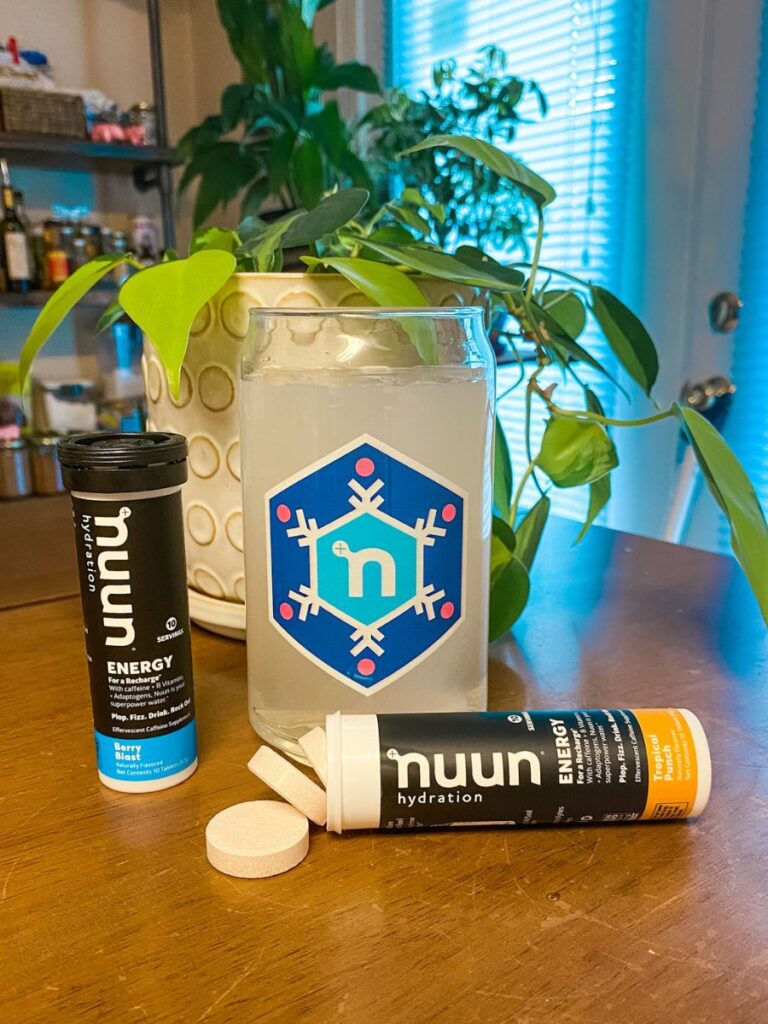
Nuun Energy for Post-Run Rehydration
My go-to for post-run hydration is Nuun Energy. This delicious beverage has only 2 grams of sugar, tastes delicious, and supplies 80 mg of caffeine from green tea extract. ➡️ Purchase now!
✅ Most importantly, listen to your body!
Respect how you feel after running 20 miles, and give yourself the time and care to recover properly.
By taking these steps, you can prepare for a 20-mile run and recover from it like a champion.
Why Does Marathon Training Stop at a 20-Mile Run?
Many marathon training plans cap off at a 20-mile long run.
This is because 20 miles is considered the longest training run you need to attempt before race day. Running any further may be unnecessarily strenuous on your body, depending on your abilities.
In addition to 20-mile runs being an optimal distance for training, there are also psychological benefits to this distance. Twenty miles is a significant accomplishment and will help boost your confidence before the marathon.
Completing 20-mile runs will also help you become familiar with the physical and mental exhaustion of running long distances. After this run, you’ll be better prepared for race day.
However, it’s necessary to keep in mind that not all marathon training plans end at 20 miles.
A good friend who has run over 250 marathons and ultramarathons once told me that a 20-mile long run is enough during training because your heart will want that last 6.2 miles on race day.
Alternatively, some marathoners swear by a 22-mile long run, and others use over-distance training and run 28-mile long runs before race day. As with everything in the running world, finding what works best for you is critical to success.
FAQs
The time it takes to run 20 miles is different for everyone. A general guideline is to expect to be running for anywhere from two and a half hours to four and a half hours. This anticipates anywhere from a 7-minute per mile pace to a 13-minute 30-second per mile pace.
Some runners will find they can run this distance in about three hours. However long is required for you to complete this run is perfectly acceptable.
For my friends not based in the US and used to the Imperial measurement system, 20 miles is approximately 32.18 kilometers.
Eating something before running 20 miles is crucial, and it should be easy for your body to digest quickly. Everyone’s body responds differently to food eaten before a run, so you must test what works for you. Identifying your pre-run meal prior to race day is a superb training tactic.
Generally, something simple like a toasted bagel with peanut butter and banana is a good start for most runners.
Twenty miles is a lot to run, but it can be accomplished with the right amount of preparation and dedication. It requires physical and mental strength and the ability to push through exhaustion to reach your goal. With time, 20-mile runs can become a part of your routine.
Running 20 miles can be incredibly taxing on the body, especially for those new to long-distance running. As a result, your muscles will become fatigued and sore as you push your body further than it’s used to.
You may experience dehydration, nausea, leg tightness, and aching joints due to the strain on your cardiovascular system. This is why gradually working up to the distance is necessary.
Runners should have an energy gel every 30-40 minutes to get through their 20-mile run with proper fuel and energy. This could mean anywhere from 4-8 gels, depending on how quickly your body burns through energy.
Make sure to practice with gels during training runs before race day so you can find the right amount and kind for your body.
⭐️ Remember what the golden rule of running says: nothing new on race day! Your 20-mile long run is the perfect dress rehearsal for race day.

Final Thoughts: Conquering the 20-Mile Run
Completing 20-mile runs is daunting but can be accomplished with proper preparation and dedication. When you take on 20 miles during your marathon training, you’re pushing yourself to new limits and setting yourself up for success on race day.
So lace up those shoes, put in the effort, and you’ll soon be crossing that finish line smiling.


