
Your Guide to Zero Calorie Foods That Will Improve Your Health
If you’re looking for ways to keep your calorie intake low but still feel full and energized, zero calorie foods are an excellent place to start.
While no food is truly zero calories, there is a multitude of options that supply essential nutrients while containing very few calories. By combining these with other healthy options, you can create delicious, filling meals and snacks.
In my experience, zero-calorie foods help me stay satiated when I ramp up my run training and, in turn, my appetite. Eating these healthier options ensures I don’t overeat unhealthy foods with low nutritional value.
What Is a “Zero Calorie Food?”
The Food and Drug Administration (FDA) considers food to be “zero calories” if it contains less than five calories per serving.
The FDA considers a food “low calorie” with 40 calories or fewer per serving.
Zero-calorie foods are mostly fresh fruits and vegetables. Examples include apples, oranges, broccoli, cabbage, cauliflower, and celery.
Though these foods are not actually zero calories, they contain very few compared to most other food items. Eating them helps you maintain a low-calorie count while getting the essential vitamins and minerals your body needs.
The Top 29 Low or Zero Calorie Foods List
Some top zero-calorie foods include green leafy vegetable options such as kale, spinach, and arugula; fresh fruits like apples, oranges, and grapefruits; low-calorie vegetables like zucchini, cucumber, and celery.
Zero Calorie Vegetables
Many vegetables contain low calories, some contain nearly no calories. When searching for highly nutritious zero-calorie options, consider putting a few of the following vegetables in your cart.
1. Watercress
For one cup or 24 grams of leafy green watercress, you’ll consume only 4 calories.
Watercress is rich in vitamin C and iron, making it a great choice for your daily diet.
2. Spinach
One cup, about 30 grams of spinach, contains just 7 calories.
Spinach is an excellent source of magnesium, potassium, and Vitamin K. It also contains beneficial nitrates that may help benefit your blood pressure.
2. Kale
One cup, or about 21 grams of kale, also provides 7 calories.
Kale is also an excellent source of Vitamin A, Vitamin C, and iron per cup. It’s loaded with beneficial antioxidants that can help protect your cells from damage and help reduce inflammation in the body. Additionally, kale contains a high amount of fiber.
4. Swiss Chard
One cup or 36 grams of Swiss chard provides 7 calories.
Swiss chard has high vitamin K and lutein levels, which help protect against age-related macular degeneration.

5. Celery
For a half cup or approximately 50 grams of celery, you’ll consume about 8 calories.
Celery also has 1 gram of fiber per serving, which is good considering the low-calorie supply.
6. Cucumber
Half a cup or 50 grams of cucumber will give you 8 calories.
This crunchy vegetable is a great source of Vitamin K and Potassium.
7. Romaine Lettuce
A cup, or about 47 grams of romaine lettuce, contains just 8 calories.
It’s also an excellent source of vitamins A, C, and folate.
8. Radishes
Half a cup or about 50 grams of radishes contain just 12 calories.
They’re also an excellent source of Vitamin C and potassium.
9. Mushrooms
One cup, or approximately 70 grams of mushrooms, contains only 15 calories.
Mushrooms offer many health benefits and are a great vitamin D, copper, and selenium source.
10. Tomatoes
A small tomato, or about 90 grams of tomatoes, provides just 16 calories.
Tomatoes are a good source of Vitamin A, Vitamin C, and potassium.
11. Zucchini
One cup, or about 124 grams of zucchini, contains 21 calories.
It’s also a good source of Vitamin A and folic acid.
12. Cauliflower
One cup or about 107 grams of cauliflower provides only 27 calories.
It also has good Vitamin C, potassium, and folate.
13. Broccoli
One cup or 91 grams of broccoli contains 31 calories.
This vegetable contains essential vitamins and minerals such as Vitamin C, A, and Potassium.
14. Bell Peppers
One cup, or about 149 grams of bell peppers, provides 39 calories.
Opt for green, yellow, orange, or red bell peppers. The choice and benefits are yours! They’re also a good source of vitamins A, C, and folate.
15. Brussels Sprouts
One cup, or about 156 grams of Brussels sprouts, contains just 56 calories.
These little vegetables are also an excellent source of Vitamin A, Vitamin C, and fiber. Additionally, they have a high amount of antioxidants that can help reduce inflammation in the body and protect your cells from damage.
Zero Calorie Fruits
Fresh fruit provides many benefits to a well-balanced diet. Like their vegetable counterparts, you can expect fruit to help prevent cancer, diabetes, and heart disease.
16. Lemons
One lemon, or about 58 grams, contains 17 calories.
Lemons are an excellent source of Vitamin C and dietary fiber. They’re also packed with beneficial antioxidants that can help reduce inflammation in the body.
17. Clementines
One clementine, or about 74 grams, contains 35 calories.
Clementines are an excellent vitamin C, dietary fiber, and potassium source. They’re also packed with beneficial antioxidants that can help protect your cells from damage.
18. Kiwi
One kiwi, or about 69 grams, contains 42 calories.
Kiwis are an excellent source of Vitamin C, dietary fiber, and potassium. They’re also loaded with beneficial antioxidants that can help reduce inflammation in the body.
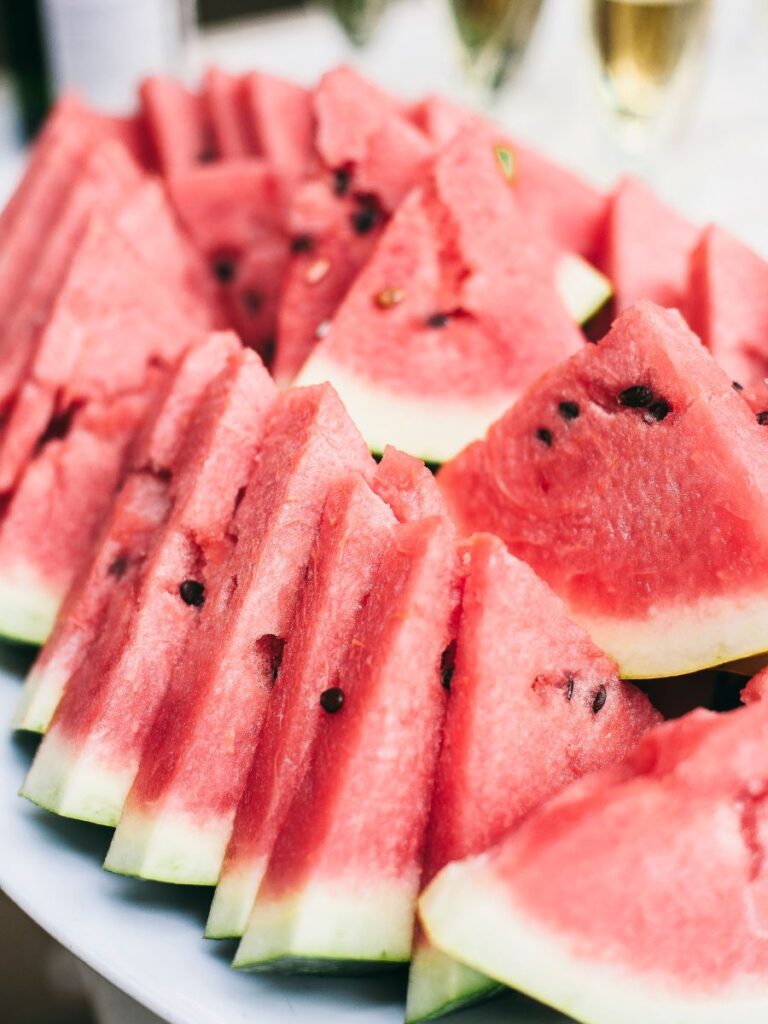
19. Watermelon
A cup of watermelon or 152 grams provides 46 calories.
Watermelon is also a great source of hydration. This delicious fruit is also high in lycopene, vitamins A and C, and contains almost no fat.
20. Strawberries
One cup of strawberries, or about 145 grams, contains 50 calories.
Strawberries also contain high amounts of dietary fiber and Vitamin C, as well as beneficial antioxidants that can help reduce inflammation in the body.
21. Grapefruit
Half of a grapefruit or 123 grams provides 52 calories.
Grapefruit is a good source of Vitamin A, Vitamin C, and dietary fiber. It’s also loaded with beneficial antioxidants that can help reduce inflammation in the body.
22. Cantaloupe
A cup of cantaloupe, or 177 grams, contains 57 calories.
This delicious fruit is an excellent source of Vitamin A, Vitamin C, and potassium. It’s also loaded with beneficial antioxidants that can help reduce inflammation in the body.
23. Honeydew
One cup of honeydew, or 177 grams, contains 64 calories.
This fruit is a great source of Vitamin C and potassium. It’s also very low in fat.
23. Blueberries
A cup of blueberries, or 148 grams, contains 84 calories.
Blueberries are an excellent source of dietary fiber, manganese, and Vitamin K. They’re also packed with beneficial antioxidants.
Zero Calorie and Low Calorie Snack Options
Whether searching for no and low-calorie options for weight loss or improved health, finding snacks you enjoy to satiate when hunger strikes are essential. Consider a few of the following options.
24. Sugar-free Jell-O
One packet of sugar-free Jell-o has zero calories.
Jell-o can be a great snack for something sweet and satisfying without added sugars or calories.
25. Seaweed
Two tablespoons or approximately 10 grams of seaweed provides just 5 calories.
Seaweed is also an excellent calcium, magnesium, folate, and iodine source.
26. Pickles
One dill pickle spear or 28 grams of dill pickles contains 5 calories.
Pickles are also a good source of Vitamin K and iron.
27. Shirataki Noodles
Shirataki noodles are made from yam flour and can make a great snack or meal.
For 4 ounces or 112 grams of Shirataki noodles, you’ll consume 10 calories.
These noodles have a mild flavor, making them perfect for adding to soups, stir-fries, and salads. What’s more, shirataki noodles are a great source of fiber, helping to keep you feeling fuller longer.
28. Broth-based Soup
A cup of broth-based soup, such as miso or vegetable soup, provides just 20 calories per serving.
Soups are a great source of hydration and can provide essential vitamins, minerals, and antioxidants to your diet.
29. Air-popped Popcorn
A cup of air-popped popcorn contains only 31 calories per serving.
Popcorn is a great source of dietary fiber, magnesium, and manganese.
Zero Calorie Beverages
If you’re searching for a low or zero-calorie beverage, consider one of the following options.
Water
Unsweetened water has zero calories per serving.
Drinking plenty of water is essential to stay hydrated, aiding digestion and overall health.
Nuun Hydration
Although Nuun Hydration contains 15 calories per glass, I must mention it because it’s my favorite hydration option for running.
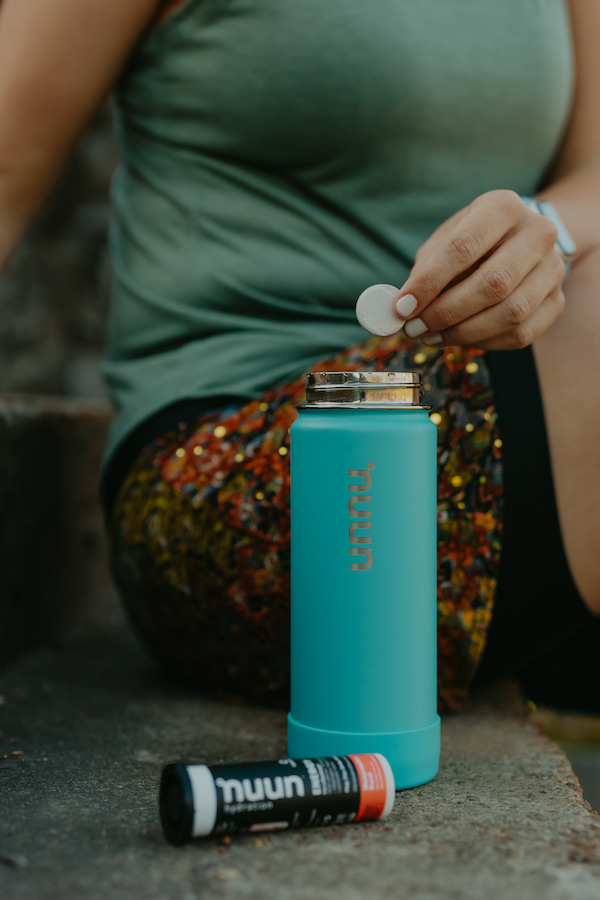
With many flavors and caffeinated options, this fizzy beverage only contains 1 gram of sugar. Although not a zero-calorie beverage, the calories are low enough to add this option to your pantry.
Sparkling Water
Unsweetened sparkling water has zero calories per serving.
Sparkling water is a great way to stay hydrated and an excellent electrolyte source. It’s also sugar-free and helps to promote healthy digestion.
Black Coffee
Black coffee also has zero calories per serving.
Coffee is a great source of antioxidants and can help to boost energy levels throughout the day.
Unsweetened Tea
Unsweetened green, white, or black teas have zero calories per serving. These teas are packed with beneficial antioxidants that can help reduce inflammation in the body.
Why We Need Calories
Calories are units of energy that our body uses to keep us alive and functioning.
Every activity we do, from breathing and sleeping to more strenuous activities like dancing or running, requires calories. Our bodies need calories to provide the energy necessary for these activities.
Our bodies get the calories they need from the food we eat. Foods that are high in calories provide more energy, and foods that are low in calories provide less energy.
Calories from food come from macronutrients like carbohydrates, fats, and proteins. Each of these has different bodily functions, but all play an important role in providing us with the energy we need to perform everyday activities.
👉🏼 Carbohydrates are the primary energy source for our cells and help us stay energized throughout the day.
👉🏼 Fats provide us with essential fatty acids that are important for hormone production and cellular development.
👉🏼 Proteins provide essential amino acids necessary for building muscle and repairing tissue.
It’s important to have a healthy balance of calories from these macronutrients to fuel our bodies and keep us healthy properly.
Why Low-Calorie Foods Are Good for Runners
Running is a great way to stay fit, burn calories, lose weight, and keep your heart healthy.
But when running far and often, the appetite may increase, making it difficult to control what you eat. Rather than eating fatty, unhealthy foods all day, zero-calorie and low calorie foods provide nutrition and satiation without extra calories.
These foods help keep runners energized and satiated without compromising their calorie goals.
It’s important to remember that calories are entirely necessary to have a functioning body. So maintaining a well-balanced diet of nutrient-rich foods is essential.
Zero-calorie foods are a great option for runners looking to fuel their bodies without taking in extra calories. These foods provide a range of health benefits and can help you reach your running goals.
Some zero-calorie and low-calorie foods may be great food options to eat before or after running.
The Truth About Negative Calorie Foods
Are you familiar with the concept of “negative calorie” foods?
If so, it may be surprising to learn that studies have yet to prove that any food type can have negative calories.
The idea behind this concept is that certain foods require more energy to digest them than the calories they actually contain. As such, by consuming these so-called negative-calorie foods, you would be able to burn fat without having to exercise.
Though some studies have shown that eating high-water and fiber-content foods could slightly reduce calorie intake, these findings are far from definitive.
In reality, the best way to burn fat is still through regular exercise and a healthy diet. The truth is that no food can literally have negative calories, so don’t be fooled by any claims that say otherwise.

FAQ
No foods are actually zero calories. However, while many foods like fruits and vegetables contain calories, they are generally very low in calories per serving. Additionally, some processed no-calorie sweeteners can be used to add sweetness to food with virtually no calories.
10 of the lowest calorie foods by calorie count per serving are Watercress (4 calories for 34 grams), Arugula (5 calories for 20 grams), Swiss Chard (7 calories for 36 grams), Spinach (7 calories for 30 grams), Iceberg Lettuce (8 calories for 57 grams), Romaine Lettuce (8 calories for 47 grams), Celery (17 calories for 120 grams), Radishes (19 calories for 116 grams), Peppers (24 calories for 92 grams), Tomatoes (27 calories for 149 grams).
While no traditionally considered “junk foods” are truly zero-calorie, many processed items like diet sodas and sugar-free candy have very few calories. Additionally, some artificially sweetened products, like ice cream or yogurt, may contain less than 10 calories per serving.
No-calorie snacks include fresh fruits and vegetables, like apples, carrots, cucumbers, or celery. Additionally, some prepared snacks that are low in calories and high in fiber can help curb hunger without providing extra calories. These include air-popped popcorn and unsweetened nut mixes.
There are several intermittent fasting plans. Fasting plans generally allow drinking water and zero-calorie beverages like black coffee and tea. In the fasting phase, no food is consumed because all foods contain some calories.
Final Thoughts: Zero Calorie Foods
Zero-calorie foods can be an excellent choice for those looking to stay energized and satiated without taking in extra calories.
Whether used as snacks or part of a meal, these nutrient-dense foods provide essential macronutrients while also helping fuel your body with lasting energy. Remember that moderation is key, and it’s important to maintain a well-balanced diet of nutrient-rich foods.
Mae’s Miles and Music does not provide medical advice, diagnosis, or treatment. Always consult your doctor to identify what’s best for you, your body, and your health.


