How Many Steps Are in a 5k? + 5 Tips You Need to Know
Before training for a 5k race, it’s common to ask, “How many steps are in a 5k?“
After all, ensuring your body is prepared for running or walking a challenging distance is essential. Fortunately, there’s an answer to this question, and it doesn’t involve having to count out every step on your next training run.
I’ve run countless 5ks, although I’m more of a fan of half marathons and marathons. I’m not a big fan of sprinting, and if you opt to run a 5k, you can count on nearly sprinting for the full 3.1 miles.
Even with my disdain for short-distance running, I’ve got all the info you need about the distance of a 5k race, how many steps you might take to finish the race, and what things determine how many steps you need to take to complete a 5k.
How Many Steps Are in a 5k?
If you’re newer to running, you might not yet grasp the distance of a mile or kilometer.
That’s okay! We can break this down into a more straightforward concept: steps.
Number of Steps in Kilometers
If kilometers are your primary unit of measurement, these are the number of steps relevant to you, whether walking or running one kilometer or five.
Walking 1 Kilometer:
The average person will take approximately 1,400 steps to walk a kilometer, the equivalent of 0.62 miles.
This means that walking 5 kilometers would require around 7,000 steps in total.
Running 1 Kilometer:
A running pace of approximately 9.5 kilometers per hour would require roughly 1,000 steps to cover a kilometer.
This means that running 5k would require around 5,000 steps in total.
Of course, the number of steps you need to complete the distance of a 5k can vary greatly depending on your stride length, pace, gait, and running terrain, so this is only an estimate.
Number of Steps in Miles
Runners based in the US depend on the concept of miles when running, for the most part.
The following will include the number of steps you can expect to take, whether running a mile or 3.1 miles.
Walking 1 Mile
The average person will take approximately 2,230 steps to walk a mile, equivalent to 1.6 kilometers.
This means the number of walking steps to cover 3.1 miles would require around 6,910 steps.
Running 1 Mile
A running pace of approximately 6 miles per hour would require roughly 1,590 steps to cover a mile.
This means that running 3.1 miles would require around 4,930 steps in total.
Again, the number of steps necessary to complete a 5k can vary greatly depending on your stride length, pace, gait, etc.—so these estimates are just estimates.
You can use a step calculator to calculate a closer expectation based on your height and anticipated speed.
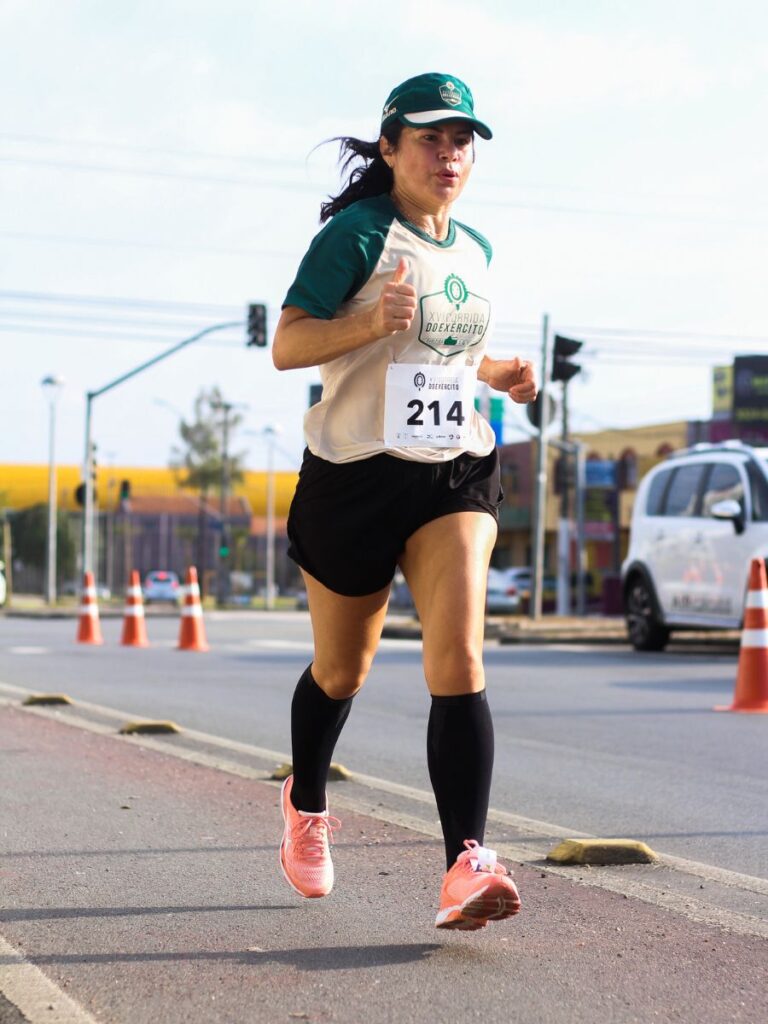
How Far is a 5k?
Whether you want to run a 5k as part of a weight loss program or to improve your general health, knowing the ins and outs of this distance will help you get motivated.
The distance of a 5k can be discussed using two different measurements: kilometers and miles. Since the “k” in “5k” stands for kilometers, let’s discuss this measurement first.
5k Distance in Kilometers
Simply put, a 5k is 5 kilometers.
For any race distance with a “k” in the name, you can quickly identify the number of kilometers the race is. This includes races like the 10k to the 50k and beyond.
5k Distance in Miles
If you’re a runner in the United States like me, you’re likely more familiar with the distance of a mile.
The distance of a 5k race in miles is 3.1.
What Determines the Number of Steps Per Kilometer or Mile?
We don’t all take the same number of steps to cover a specific distance.
Why not?
Here are six common factors that affect how many steps a person takes to cover a specified distance walking or running.
👉🏼 Age
When it comes to how many steps a person takes per kilometer, age is one of the primary factors we need to consider.
How quickly you can move your legs and how much energy you have will determine how big your stride is and how fast or slow you need to walk or run. Generally, older people take more steps to cover the same distance as younger people.
👉🏼 Gender
Although gender impacts how many steps a person takes to cover a distance of a kilometer, the gap is narrow.
On average, men walk and run fewer steps than women when covering the same distance.
👉🏼 Height
A person’s height impacts how many steps they take to walk or run a kilometer due to the length of each stride.
Generally speaking, a person of average height will take fewer steps per kilometer than someone with a shorter height because their strides are longer. A longer stride means they can cover more ground in fewer steps.
This means that if two people of different heights were running side-by-side, the taller person would get further than the shorter person if running at the same pace.
Again, this generalization doesn’t necessarily mean shorter runners won’t outrun taller runners.
👉🏼 Gait
Gait is the way that someone moves when walking or running.
The unique way a person walks or runs can affect how many steps they take per kilometer. A person’s gait involves more than just their stride length; it also includes factors such as form, foot landing zone, and pace.
A person with excellent running form will likely need fewer steps to cover the same distance as someone with poor running form.
👉🏼 Pace
A person’s typical walking pace or running speed will affect the number of steps they take to cover a kilometer.
How quickly someone moves will determine how many strides each foot takes and how much ground is covered with each stride.
Running rather than walking, for example, means more ground can be covered per step as the feet don’t touch the ground as closely as when a person walks.
👉🏼 Fitness Level
A person with a higher fitness level than someone else will likely cover the same distance more rapidly. This generally means that they will take fewer steps.
Fitness level can improve factors such as walking or running form, leg strength, and stabilization. These elements can help a person cover a specific distance in fewer steps.
👉🏼 Terrain
The terrain that someone runs or walks on can significantly affect how many steps they take to cover the distance of 1 kilometer.
For example, running on flat ground is more manageable and involves less effort than running uphill or downhill. This means fewer steps are required to cover the same distance, as each stride will cover a greater distance.
Additionally, running on trails or uneven ground can require more steps to cover the same amount of ground, as each stride must be shorter and more concentrated to maintain balance.

Top Five 5k Running Tips
If this is your first 5k race, you’ll benefit from these five tips to help you arrive at the finish line.
1. Investing in quality gear.
A proper pair of running or walking shoes is essential, as this is the foundation of your race experience.
Additionally, you’ll want to invest in moisture-wicking clothing to help you stay cool, dry, and comfortable. This includes moisture-wicking socks!
2. Focus on your pace.
When running a 5k, the pace you’ll want to sustain is relatively quick.
You should be pushing your limit comfortably, and when you approach the final mile, it’s time to kick it into high gear.
This is how you ensure that you are performing your best.
3. Be well-fueled and hydrated heading into the race.
Identifying what fuels your body best during training is essential. This way, you know how your body will respond on race day.
Eat the same foods and drink the exact amounts of fluids pre-race for the best result.
4. Control your breath.
This can be one of the most challenging things to do when running a quick-paced race.
However, proper breathing techniques can ensure you don’t end up with side stitches (also known as cramps) and will help fuel your muscles to finish the race.
5. Have fun.
Whether you run or walk the 5k, remember that you trained to get to this day.
Take in the sights and enjoy the atmosphere of the race. As the shortest long-distance race, 5ks tend to pass by quickly.
5k Training Plan for Beginners
If you’re looking to run your first 5k, you’ll want a training plan that helps you get to the finish line.
This training schedule starts with low pressure, offering the option for walking, so you won’t be overwhelmed. You could use this plan as a 5k walking plan and walk the distance on race day.

This 10-week training can help you feel confident whether walking or running your 5k steps.
⚠️ Always consult your doctor before starting any exercise program.
FAQ
A 5k is 3.1 miles or 5 kilometers.
A 5k is equal to five kilometers or 3.1 miles.
The number of steps necessary to complete a 5K run can vary greatly depending on your stride length, pace, gait, etc., but one can estimate it to be around 5,000 steps for the average person.
Running a 5k requires fewer steps than walking the same distance because your stride will be longer, allowing you to cover more distance with each step.
One can estimate that the average person takes around 7,000 steps to complete a 5K walk. This number may vary based on your stride length, pace, gait, etc.
Walking a 5k requires more steps than running the same distance because your stride will be shorter.
Although it may be possible, it’s not recommended. This is especially true if you aren’t an active person who frequently runs. Training is a way to prepare the body to cover the distance with a decreased risk of injury.
The number of calories burned over any running distance depends on age, fitness level, and weight. For instance, a person who weighs about 150 pounds and can maintain a pace of 10 minutes per mile will burn approximately 370 during a 5k race.
No, a 5k is not a marathon. A marathon is a specific race distance of 26.2 miles. A 5k is significantly shorter than a marathon at just 3.1 miles.
Final Thoughts: How Many Steps Are in a 5k?
The number of steps to complete a 5K can vary greatly depending on your stride length, pace, gender, height, gait, and the terrain on which you complete the distance.
On average, running a 5k requires around 4,930 steps, while walking a 5k requires around 6,910 steps. Whether you’re looking to challenge yourself with a 5k run or stroll, tracking steps can help you reach your goals and improve your fitness.
How many steps will it take you to complete a 5K? Track it and find out!