
21 Running Tips for Beginners to Make Getting Started Easy
Sometimes it feels like I’ve been running my whole life. However, it’s only been a decade since I started running long-distance races. In those ten years, I’ve collected the best running tips for beginners to help them learn to love running.
This coming from someone who hated running, thanks to a high school soccer coach. I was also one of the slowest people (okay, the slowest person) on my high school winter track team.
But now I’ve run more than a dozen half marathons, 12 marathons, and countless 5ks and 10ks.
I get it if you’re doubting your ability to be a runner. It’s overwhelming to get started. But if you follow these tips, you’ll see that running can be life-changing.
Best Running Tips for Beginners
Use these tips as your blueprint to get started running. They can take you from day one through your first few races.
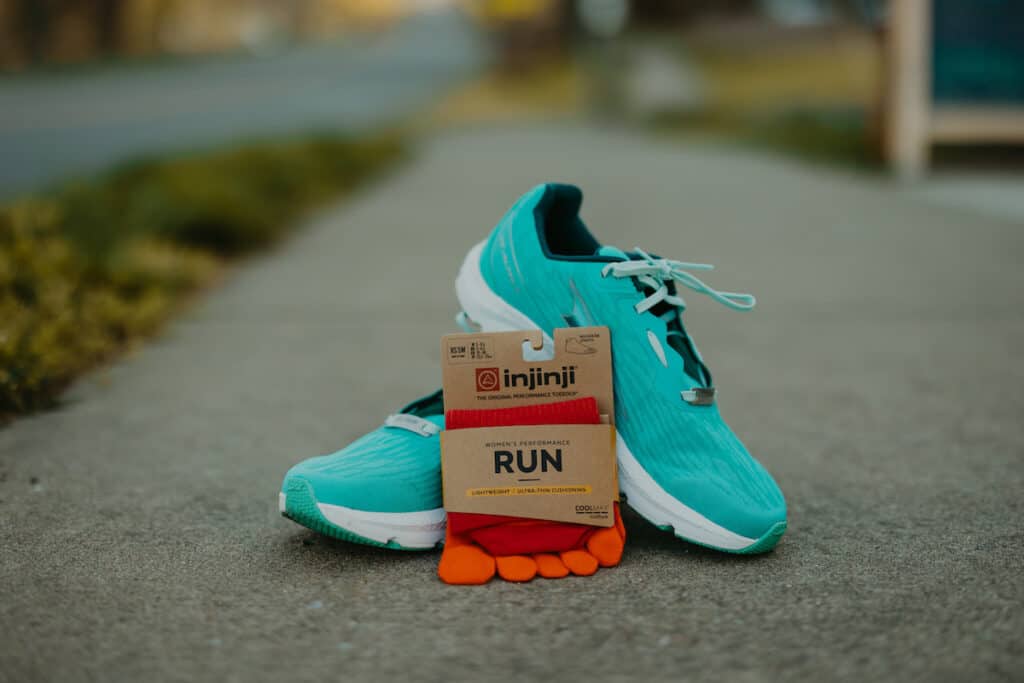
1. Start with the Right Running Gear
Quality running gear is essential.
You could run in the cotton T-shirt and shorts you already have in your closet. But don’t be surprised when you end up with painful chafing.
Instead, treat yourself to a few high-quality clothing items that will motivate and keep you comfortable. After all, you’re much more likely to stick with it if you’re comfortable.
2. Set a Realistic Goal
Having a goal means it’s easier to stay on track.
Your goal should be realistic and attainable. This means you give yourself enough time to hit the goal.
As a beginner, you should make a short-term goal. Running consistently for 20 minutes or completing a 5k are two realistic and attainable goals for most beginners.
3. Choose Your Workout Time Wisely
This alone can help you keep at it.
You may need to run in the evenings if you work early mornings. If you live in a place with hot summers, running in the morning before the sun is high in the sky might be best.
However, you’ll need to decide what time of day will work best for you. And yes, running at different times each day is okay.
4. Warm Up and Cool Down Each Time You Run
Before you start running, warm up with dynamic stretches.
Dynamic stretching means moving your body rather than stretching from a still position. This helps to warm the muscles so they’ll be prepared for running.
Cooling down after each run is also great for the body. You can walk for 5 minutes or do a few static stretches since your muscles are warm. Stay within your means, and don’t push through any pain.
5. Start Slow
If you’re completely new to running, start with walking. This will help you build your endurance and form a workout habit.
Then slowly add in running intervals. For example, walk for 5 minutes, run for 1 minute, and repeat this throughout your workout. Once you’re running consistently, keep your pace slow.
As your fitness level increases, you can slowly increase your running time and distance.
6. Do All You Can to Be Safe
Running is a safe and effective exercise, but it’s still a crazy world. Be proactive!
When possible, run during the day. Wear bright colors or reflective gear if you plan on running at night.
And always tell someone your route before heading out. Carry your phone with you, too. You’ll hopefully never need to call anyone, but having the means to is important.

📢 Running in low light conditions?
If you’re an early morning running or a dusk runner, I recommend the Noxgear Tracer2 running vest. Code MAESMILES saves you 35%. ▶ Purchase here
7. Stick to a Regular Routine
Consistency is the key to any workout program. Working out 1-2 days per week makes it easy to fall off track when you miss even one workout.
Aim for 3-4 running workouts weekly. Try not to take off more than two consecutive days. And remember, you can always choose to walk instead of run.
Time on your feet is significantly more important than whether you ran or walked.
8. Adapt Your Diet
You’ll probably need more fuel than before you began running. Eating a balanced diet with plenty of protein and carbohydrates can help your muscles recover from running faster.
You should eat something before and after each run, and identify how much time you need to eat before running.
This will help keep you energized for your workouts and help you become a better runner.
9. Stay Well-Hydrated
Hydration is key for all people, but especially for runners. Water helps keep your joints lubricated and cools down your body during exercise.
You should drink plenty of water throughout the day, even when not running. You may also need to carry water or a sports drink, especially if running a long distance or it’s hot out.

💧 Not sure what hydration is best?
I recommend Nuun Hydration. It’s delicious, full of electrolytes, and has just 1 gram of sugar. ▶ Check prices here
10. Don’t Push Through Pain
Discomfort happens when we exercise. Pain is not necessary.
When running, feeling some discomfort is normal. You may feel your legs get tired, or your breathing becomes heavier. However, if you experience sharp pain or sudden discomfort that doesn’t go away, stop running and rest.
Sharp pain or discomfort can be a sign of an injury. Don’t push through the pain!
11. Don’t Overdo It
In addition to not pushing through pain, don’t do too much too soon.
Sometimes new runners are eager to get to a place of comfort with running. However, you run the risk of injury or burnout.
A good way to gauge how hard you’re pushing yourself is to track your heart rate. If your heart rate spikes, you need to pull back on your intensity. Keep your runs in a heart rate zone of about 2 or 3.
12. Sign Up for a Race
Once you’re at a place where you feel ready, sign up for your first race.
The race could be a month, six months, or a year away. Just commit to training now that you’ve consistently run.
Signing up for a race means having something specific to train for. This should make you excited (you may feel nervous, too!).
13. Tell Your Friends and Family
There’s no denying it–running can be intimidating. When you tell people about your running journey, they’ll root for you and cheer you on.
Telling your friends and family that you’re training for a race is like having built-in support. And the more people who know what you’re up to, the more likely you’ll stick with it.
Don’t be afraid to share your running journey!
14. Follow a Training Plan
Following a training plan is one of the best ways to stay on track with your running and reach your goals.
A beginner’s training plan can help you slowly increase your distance and intensity when starting. A quality training plan will include rest days, too.
Consider printing off your training schedule. This is a great way to cross off each day and give you a great visual of your accomplishment.
15. Consider Hiring a Coach
Although a running coach can be an investment, it’s an investment into your success.
The benefit of a running coach is having someone who can customize a training plan for you. They can assess your progress each run and each week and update your program as needed.
Additionally, a running coach is a great running resource to bounce your questions off of. Having someone with all the answers you need immediately is super beneficial.

16. Find a Running Group
Joining a running group is an incredible way to stay motivated. A running partner can be helpful for accountability, and you’ll also make friends in the process!
You might find running groups in your community or at local running stores that offer group runs. Running with a group means having someone to talk to while getting your miles in and meeting other new runners.
After a few years of training for half marathons on my own, I joined a local running group for marathon training. I made some of my best friends and learned much more about running from their experiences.
17. Add in Cross-Training
Cross-training is important for any runner. It helps prevent injury, improves running form, and increases strength.
Choose an exercise that you enjoy that’s not running-related. This could be swimming, biking, yoga, or even playing sports with friends (like tennis!).
Mixing up your workouts can also help add some fun to your routine!
18. Don’t Forget Strength Training
Strength training is essential to build a strong core and improve your experience as a runner.
A strong core doesn’t mean 6-pack abs, by the way. It means your stabilizing muscles (quadriceps, hamstrings, glutes) are strong enough to make the action of running easier.
You don’t need to bench 300 pounds, but light strength training each week will greatly affect your running.
19. Add in Speed Work
Speed work is essential for getting better, no matter your skill level. It helps you increase speed and efficiency while running.
Interval training (alternating between running and walking with short bursts of sprints) is a great way to add speed work. And if you join a running group, they may have scheduled workouts that involve speed work.
20. Remember to Rest
Rest days are important for any training program. They give your body time to repair and recover, so you can come back stronger the next day.
For most runners, one or two rest days each week is ideal. You don’t need to do anything on rest days–just relax as best you can!
However, if you get a bit antsy on days off, a slow, short walk around your neighborhood can be good for your legs. Just remember to keep the intensity down.
21. Celebrate Every Win
Running is hard work! So make sure to celebrate your small wins and accomplishments.
Every milestone deserves recognition, from running your first mile or 5K to completing a marathon. Take time to appreciate all that you do for yourself.
By celebrating your successes, you’ll stay motivated and inspired to continue with your running journey.

How to Start Running When You’re Out of Shape
When you’re starting from square one, it can feel like you’re trying to climb Mount Everest.
Just getting the confidence and willpower to put on your running shoes can feel impossible. But there’s still hope for you!
If you’re starting from a place of zero physical activity and you want to start running, choose to walk instead.
Spend a few days or even a week walking. Start with a 10-minute walk once a day. If you feel good, consider upping your time to 20 minutes.
You might even consider walking twice daily, ten minutes in the morning and ten minutes at night. Running twice daily is a technique runners use to increase mileage while giving the body more time to rest.
After walking has become an easier task, you can start to run. I recommend using the run/walk/run strategy. This will help you build up endurance and make you a stronger runner.
To begin, you might run for one minute, walk for one minute, and run for one minute again. Repeat this for the duration of your run.
If you feel like you can run more than walk, consider upping your run to a minute and a half. Likewise, you can decrease your walking time to 30 seconds.
Once you’re at a place where you can run for at least half the time, you’re ready to commit to a beginner’s running plan.
What’s a Good Distance to Start Running?
If you mean what’s a good distance to start running on day one – it’s better to run for time.
Say it’s your first day trying to run. You should aim to run for 10 or 15 minutes. If you still feel good, add on another 5 minutes. This can help you get a feel for where your abilities are at.
If you’re wondering what’s a good race distance to start running, look at the 5k. This 3.1-mile race is a great starting place for most beginners.
A beginner’s “couch-to-5k” training plan will take you from a non-runner to a confident 5k finisher.
What’s a Good Beginner Runner’s Plan?
When it comes to a good beginner running plan, you should look for something that works for you.
How much time do you have to commit to your new running routine? Are you comfortable with including speed work right away? Does cross-training confuse you?
A quality training plan for a beginner should guide you but allow you to adapt as needed.
If you want to start now, use this beginner’s 5k training plan. It’s an extended beginner running program for a total of ten weeks. Rather than starting with running, you’ll gradually work into it with walking.

Remember to follow the above running tips for beginners as you go through this training plan. And remember – adapt if needed!
FAQ
There are many running tips for beginners; choosing just three can be tough. However, to start immediately, follow these three tips: 1. Have quality running gear (including good running socks). 2. Find a training schedule that you can stick to and stay motivated. 3. Start slowly and gradually build up. Walk breaks are completely acceptable, even if you’re not a beginner!
If you’re a beginner runner, it’s important to start slow. This will help prevent injury and burnout. Start with a 10-minute walk once or twice a day. When you feel comfortable walking, gradually add running intervals until you’re running for at least half the time. From there, commit to following a quality training schedule that fits your lifestyle.
For a beginner runner, it’s best to start by running for 10 minutes at a time. If you feel comfortable and your body is not overly fatigued, consider upping your time to 15 minutes. As you become stronger and more confident in your running abilities, gradually add more time until you reach a distance that feels good for your body.
Proper pacing can be a challenge, even for advanced runners. First, keep your pace slow and steady. If you want to increase your speed, do so gradually over time rather than jumping in with both feet. Additionally, interval training is a great way for beginner runners to practice pacing.
You can prepare your body to start running by stretching and completing some strengthening exercises. Focus on areas like the calves, hamstrings, quads, and hip flexors, as these will be most used when running. Additionally, stretching can help you lengthen muscles that tend to become tight when running. Finally, don’t forget to hydrate properly and get plenty of sleep. This will help prepare your body for the physical demands of running.

Final Thoughts: Running Tips for Beginners
Although it’s been a while since I considered myself a beginner, I still relate to beginners each time I start training again. I get it. It can be super intimidating jumping into a sport you’ve never done before.
The good news is that with these running tips for beginners, you’re well on your way to success. Whether you want to run solely for health benefits, weight loss, to make new friends, or to start a new hobby, you’ve got the tools to succeed.